Expert Tips to Fish Fillet Knife
Best Fish Filleting Knives: Our 2026 Buyer's Guide
Selecting the appropriate filleting knife is crucial for any angler working to improve their fish preparation skills. The choice is determined by several factors, including blade material, handle comfort, and overall flexibility. Each element plays a significant role in ensuring precision during filleting. As anglers explore various options, understanding the balance between budget and premium choices becomes important. What features should one consider to guarantee an excellent fishing experience? The answer lies ahead.
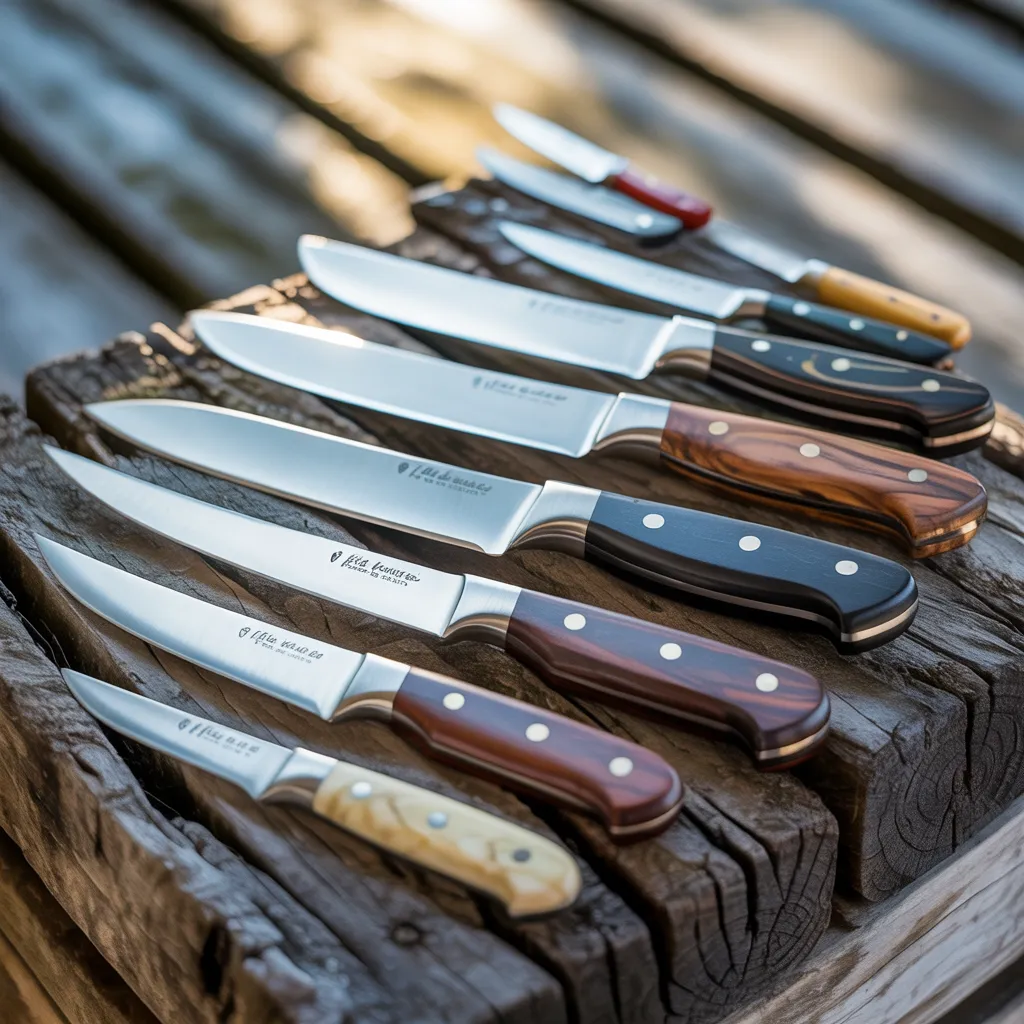
The Importance of a Proper Filleting Knife
A excellent filleting knife can significantly improve the process of preparing fish. The keenness and accuracy of a finely constructed knife facilitate clean, effortless cuts, minimizing the possibility of harming the sensitive flesh. This effectiveness not only lessens time but also produces a more visually appealing appearance, whether for a casual meal or an fancy dish.
Moreover, a good filleting knife offers better control, enabling the user to move around bones and skin with ease. This control is essential for both novice cooks and seasoned chefs, ensuring that each fillet is cut perfectly. Additionally, the right filleting knife can minimize the physical strain on the user, rendering the process more enjoyable.
Acquiring a quality fish knife fundamentally elevates the full fish preparation undertaking, shifting what could be a cumbersome task into a pleasing kitchen endeavor.
Critical Components for Identifying the Perfect Filleting Knife
Assessing a fillet knife involves considering multiple important elements. The material of the blade, the ergonomics of the handle, and the available length and flexibility possibilities substantially determine performance and user experience. Familiarizing yourself with these factors may help individuals in selecting wisely according to their particular requirements.
Blade Material Counts
Determining the correct fish filleting knife depends significantly on the blade material, which contributes importantly to performance and durability. Widely used options include stainless steel, high-carbon steel, and ceramic. Stainless steel is esteemed for its resistance to deterioration and uncomplicated care, making it excellent for consistent application in wet environments. High-carbon steel, while demanding meticulous care to ward off oxidation, provides exceptional sharpness and edge retention, proving attractive to those who stress precision. Ceramic blades offer outstanding cutting ability and are light in weight, but they can be delicate and harder to sharpen. Ultimately, recognizing the characteristics of these materials assists consumers in determining a filleting knife that meets their specific needs, ensuring an productive and satisfying fish preparation experience.
Guarantee your tool provides superior comfort when in use
Many factors affect the choice of a fish filleting knife, but handle comfort remains an key aspect. A well-designed handle is able to impact the filleting experience, providing better control and precision. Ergonomic designs that conform to the hand's shape reduce strain during extended use, making delicate cuts easier to perform. Materials including rubber, wood, or textured plastics offer different levels of grip and comfort. A secure grip prevents slipping, thereby improving safety when working with sharp blades. Moreover, the size of the handle matters, as it needs to fit various hand sizes to ensure optimal performance. In the end, a comfortable handle can turn filleting from a tedious task into a more enjoyable and efficient activity.
Flexibility and Duration Options
A comfortable handle creates the groundwork for effective filleting, but options for flexibility and length are equally meaningful in selecting the best knife. The pliability of a filleting knife facilitates movement around bones and fish contours, enhancing precision. A more flexible blade is best for tender fish, while a relevant article stiffer blade is suitable for larger species. Another critical factor is length; short blades allow for precise handling for fine cuts, and longer blades facilitate swift, long cuts. Typically, filleting knives measure 6 to 9 inches, serving various fish sizes and filleting techniques. Ultimately, the perfect balance of flexibility and length improves the filleting experience, providing both effectiveness and quality in the final product.
Top Blade Materials for Longevity and Performance
The top fish filleting knives typically display blades constructed of specific materials that boost both performance and durability. High-carbon stainless steel remains a common option, known for its equilibrium of hardness and rust resistance. This material sustains a sharp edge while resisting the rigors of frequent utilization in both fresh and saltwater environments.
An additional significant possibility is ceramic, which yields impressive sharpness and holds its edge longer than steel. However, ceramic blades can be more prone to breaking, making them less ideal for heavy-duty tasks.
Titanium-coated stainless steel is also becoming more common, supplying superior durability against wear and corrosion while retaining the light weight properties of traditional stainless steel.
In the end, the cutting material significantly affects how long the knife endures and how efficiently it works, making it essential for anglers to choose the appropriate type tailored to their particular filleting needs.
Picking Pleasant Handles for Filleting Blades
In what way does the grip of a filleting knife determine the experience for anglers? The handle remains essential to ensuring comfort and precision as processing fish. A strategically designed handle allows a secure grip, curtailing the potential of slippage, notably when the knife is saturated. Materials including synthetic rubber, natural wood, or synthetic composites can strengthen coziness, presenting body-conforming designs that adapt the hand's natural contours.
Anglers should deliberate on the load and equilibrium of the knife; a light handle can diminish tiredness during prolonged use. Textured surfaces can also present superior grip, while the handle's length should fit various hand sizes. In the final analysis, a comfortable handle boosts accuracy and makes the task more pleasurable, enabling anglers to focus on the quality of their filleting rather than struggling against an uncomfortable tool. Channeling effort into choosing the right handle can significantly improve the overall filleting adventure.
Top 2026 Choices: Best Fish Filleting Knives for All Angler
When selecting the ideal filleting knife, anglers can draw advantages from a spectrum of top-rated options available in 2026, each catering to different preferences and needs. Among the exceptional choices, the Rapala Classic Fillet Knife offers a flexible blade that performs excellently in precision, making it a favorite for both novices and seasoned fishers. For those desiring durability, the Bubba Blade series features a stainless steel construction and non-slip grip, ensuring safety and efficiency during use.
Additionally, the Dexter-Russell Narrow Fillet Knife is renowned for its outstanding precision and handling, suited for complex filleting tasks. Anglers seeking versatility may opt for the Morakniv Fishing Knife, which combines a durable design with a pleasant handle. In summary, these picks showcase the best in 2026, presenting anglers with reliable tools developed to improve their filleting experience.
Keeping Your Filleting Knife for Prolonged functionality
A filleting knife demands appropriate maintenance that is indispensable for sustaining its performance level and extended life. Timely sharpening practices function to sustain the blade's sharpness, while correct storage practices protect it safe from damage. When combined, these maintenance routines dramatically enhance the knife's effectiveness over time.
Routine Edge Maintenance Approaches
Keeping a filleting knife consistently maintained is essential for securing peak functionality and extended life. A dull blade not only makes filleting increasingly difficult but also amplifies the risk of safety hazards. For peak results, a mixture of sharpening and honing approaches is suggested. The honing process, typically done with a honing rod, adjusts the blade's cutting surface and should be carried out after each use. Blade sharpening, meanwhile, can be performed using whetstones or electric sharpeners and should be executed periodically, taking into account usage frequency. It is vital to maintain the correct angle while sharpening, normally around 15 to 20 degrees for filleting knives. Regular knife maintenance not only enhances cutting efficiency but also extends the knife's lifespan, making it a worthwhile investment for any angler.
Right Keeping Approaches
Proper storage of a filleting knife greatly enhances its longevity and performance. Storing the knife in a designated knife block or magnetic strip not only protects the blade from harm but also prevents accidental cuts. A protective sheath can be utilized for additional safety, especially when storing knives in drawers. It is important to keep the knife dry and clean before storage to prevent rust and corrosion. For those who use their filleting knife frequently, a dedicated drawer with dividers can keep things organized while providing quick access. Regularly checking the storage environment for humidity levels can improve the knife’s lifespan, helping it work effectively over time.
Budget vs. Premium Filleting Knives
When considering fish filleting knives, the option between budget and premium options noticeably impacts both performance and user experience. Budget filleting knives often feature simpler materials, resulting in less sharpness and durability. They may be worthwhile for occasional users or those new to filleting, as they present basic functionality at an accessible price. However, the user may experience limitations in accuracy and comfort.
On the other hand, premium filleting knives are constructed from better-quality materials, delivering excellent edge stability and sharper blades. These knives are engineered for both expert chefs and passionate hobbyists, permitting for smoother cuts and quicker filleting performance. The anatomically designed handles often improve control and decrease fatigue during lengthy use. While the initial expense is greater, the enduring benefits, including durability and performance, can support the investment for devoted users. Ultimately, the choice depends on the person's needs, usage frequency, and financial limitations.
Common Questions Posed Often
Could a Filleting Knife Be Used for Other Types of Meat?
A fillet blade can be applied to other types of meat, but its construction is optimized for fish. Users may discover it less effective on tougher meats, where sturdier knives are generally more suitable.
How Often Should I Hone My Filleting Knife?
A fillet knife should be regularly sharpened, ideally after every few uses or whenever it feels dull. Regular upkeep ensures optimal performance, allowing for accurate cuts and an enjoyable filleting experience. Regularity is key.
What Size Boning Knife Is Most Suitable for New Users?
New users will find that a fillet knife between 7 to 9 inches is optimal. This length delivers a mix of suppleness and stability, allowing it to be easier to handle fish without overwhelming the inexperienced handler.
Do You Think About Electric Filleting Knives Worth the Investment?
Electric fillet knives can justify the cost for people seeking convenience and comfort. Their speed and consistent cuts improve the filleting activity, positioning them as ideal for both amateur and professional fishers seeking precision.
Where Can I Locate Replacement Blades for My Filleting Knife?
Filleting knife blades are obtainable through fishing retailers, web-based sellers, and manufacturer websites. Verifying compatibility with your exact knife model becomes necessary to maintain peak performance during use.